Building the company
Co-founder conflict
Breakups kill early companies. Explicit roles, vesting, and hard conversations prevent most of them.
Co-founder breakup is a leading cause of early death because startups are emotionally and financially entangled. Conflict is normal. Unstructured conflict is fatal.
Hiring employees will not fix a broken co-founder relationship. It amplifies it: the team picks sides, politics replace shipping, and the best people leave first.
The big idea
Two people sharing a kitchen can survive a fight about dishes if someone owns dinner and someone owns rent. Two people sharing a company without a CEO, a vest, or a "we're done" clause will fight about everything when runway is six months.
The analogy breaks because the kitchen is also the identity. Avoidance feels kinder than a hard conversation and is usually how the company dies.
Walking through it
Common fracture lines:
- Equity and roles never made explicit — who is CEO, who can fire whom, how vest cliffs work (founder equity and vesting)
- Commitment asymmetry — one founder full-time, one "nights and weekends" forever
- Values under stress — when runway is six months, do you cut salary, pivot, or raise at a bad valuation?
- Skill overlap — two product visionaries, zero closer; or two engineers, zero customer contact
Prevention is boring and effective:
- Work together before incorporating when possible (a project, not just friendship).
- Write roles, decision rights, and vesting (standard 4-year with cliff is common for a reason).
- Schedule honest conversations on a cadence. Avoid triangular venting through employees.
- Agree in advance what "we're done" looks like — including how IP and equity are handled.
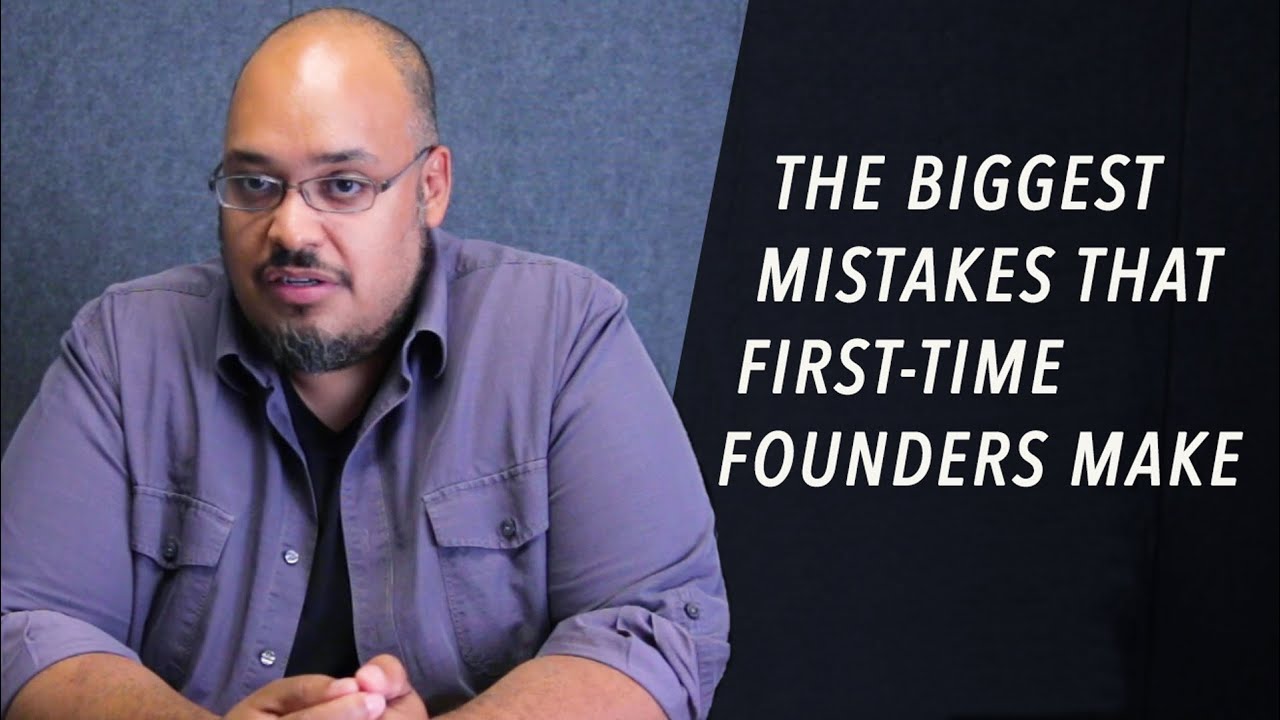
Michael Seibel's YC talk on first-time founder mistakes repeatedly returns to co-founder choice and honesty: picking people you barely know, then avoiding hard conversations, is a reliable path to failure.
As an employee, founder avoidance while metrics worsen is a pattern to notice. Blame culture after misses is another. Loyalty is good. Denial is not.
Common mistakes
- Incorporating with a friend and no vest. The cliff exists for this.
- Two visionaries, no closer. Overlap feels comfortable and leaves a hole.
- Venting through the team. Employees become factions.
- Hiring to paper over the relationship. It scales the conflict.
Check yourself
One founder is full-time. The other has been "joining next quarter" for a year. What is broken?
Commitment asymmetry. Write it down or end it. Do not hire around it.
Why is standard 4-year vesting with a cliff the default?
It makes leaving early expensive and forces the "are we still doing this?" conversation.
Key takeaways
- Conflict is normal. Unstructured conflict is fatal.
- Make roles, decision rights, vesting, and "we're done" explicit before the crisis.
- Employees amplify a broken pair. They do not repair it.
- Hard conversations on a cadence beat triangular venting.
Further learning
Next: when to pivot.
Related
Why startups fail
Premature scaling, no market need, co-founder conflict, and running out of money: the patterns under the official cause of death.
Founder equity, vesting and agreements
How co-founders split equity, implement four-year reverse vesting with cliffs, handle acceleration and file the 83(b) before the clock runs out.
When to pivot
A structured change of customer, job, or model that keeps what you learned. Not a rebrand every quarter.